


The Indian real estate sector in 2026 is standing at a powerful intersection of economic stability, infrastructure growth, digital transformation, and evolving buyer preferences. No longer limited to traditional buying and selling, real estate today has become a data-driven, regulation-backed, and future-focused asset class—making it one of the most attractive investment avenues for both end-users and investors.
This article explores the latest, current, and practical insights shaping Indian real estate in 2026, helping professionals, investors, and homebuyers make informed decisions.
1. Strong Economic Backbone & Policy Support
India’s growing GDP, expanding middle class, and rising urbanization continue to fuel real estate demand. Government initiatives such as infrastructure corridors, expressways, metro expansions, and smart cities have directly improved land value and livability across Tier 1, Tier 2, and even Tier 3 cities.
A major confidence booster remains Real Estate (Regulation and Development) Act (RERA), which has brought transparency, accountability, and timely delivery into the system. Buyers today are far more confident, and genuine developers are benefiting from improved trust and faster sales cycles.
2. Residential Real Estate: Demand Driven by Lifestyle Upgrades
Residential real estate in 2026 is no longer just about owning a home—it’s about upgrading lifestyle.
Key Residential Trends:
- Growing demand for larger homes due to hybrid work culture
- Preference for gated communities with amenities
- Increased interest in premium & luxury housing
- Rise of second homes near hill stations and highways
Millennials and Gen Z buyers are entering the market with a long-term mindset. Easy home loans, stable interest rates, and flexible payment plans are making homeownership more achievable than ever.
3. Commercial Real Estate: A New Growth Cycle
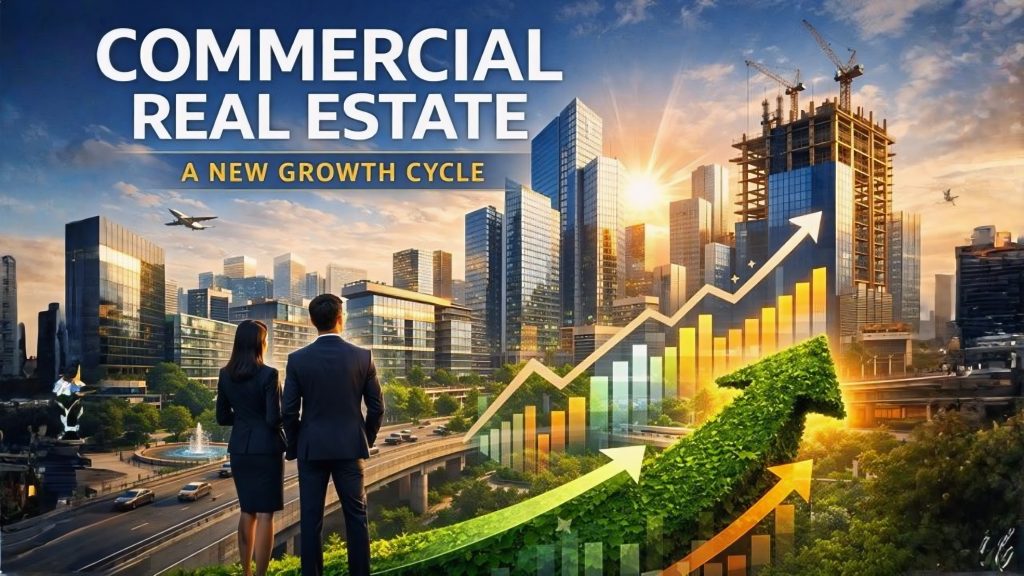
Commercial real estate has witnessed a strong rebound, especially in Grade-A office spaces, retail hubs, and mixed-use developments.
What’s Driving Commercial Demand:
- IT & Global Capability Centers (GCCs) expanding in India
- Growth of organized retail & high-street commercial projects
- Co-working spaces evolving into enterprise-grade offices
Cities like Gurugram, Bengaluru, Hyderabad, and Pune continue to attract multinational occupiers, while emerging business hubs in Tier 2 cities are opening new investment corridors.
4. Infrastructure = Real Estate Appreciation
In 2026, infrastructure is the single biggest value multiplier for real estate.
Projects such as:
- Expressways & economic corridors
- Metro rail expansions
- Airport-centric developments
- Logistics parks & freight corridors
have transformed micro-markets into high-growth real estate destinations. Properties near upcoming infrastructure projects are witnessing early-stage appreciation—making them ideal for strategic investors.
5. Technology & Digital Transformation in Real Estate
Technology is redefining how real estate is marketed, sold, and managed.
Digital Innovations in 2026:
- AI-based property recommendations
- Virtual site visits & drone walkthroughs
- Blockchain-assisted documentation
- Smart home automation
Buyers today expect speed, clarity, and digital convenience, and developers who adapt to PropTech trends are gaining a clear competitive edge.
6. Sustainability & Green Buildings Are No Longer Optional
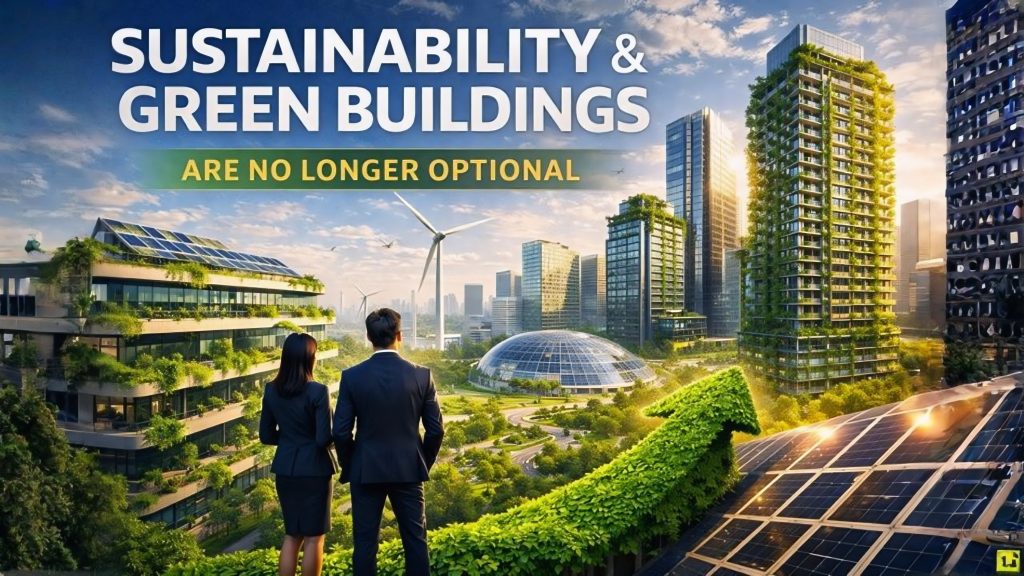
Green-certified buildings, energy-efficient designs, rainwater harvesting, and solar integration are attracting both:
- Environment-conscious homebuyers
- Corporate tenants seeking ESG compliance
In the long run, eco-friendly projects offer better resale value, lower operating costs, and stronger rental demand.
Sustainability has become a core decision factor, not a luxury.
7. Real Estate as a Wealth-Building Tool
Despite market cycles, real estate continues to be one of the most stable long-term wealth creators in India.
Why Real Estate Still Wins:
- Tangible asset with intrinsic value
- Rental income + capital appreciation
- Hedge against inflation
- Portfolio diversification
Smart investors in 2026 focus on location quality, developer credibility, legal clarity, and infrastructure visibility rather than speculation.
8. Key Advice for Buyers & Investors in 2026

Sustainability & Green Buildings are no longer a choice — they’re the future of real estate.
From energy efficiency to long-term value, green developments are driving smarter investments in 2026.
Before investing, always:
- Verify RERA registration & approvals
- Study upcoming infrastructure plans
- Assess developer track record
- Think long-term rather than short-term gains
Informed decisions today can translate into significant financial and lifestyle rewards tomorrow.
Conclusion
The Indian real estate market in 2026 is mature, transparent, and opportunity-rich. Whether you are a first-time homebuyer, an experienced investor, or a real estate professional, understanding current trends is the key to staying ahead.
Real estate is no longer just about property—it’s about planning, vision, and future readiness. Those who align with the evolving market dynamics will continue to grow, even in changing economic landscapes.
